Best Budget Electric Bikes Under $1,000 (2026): Safety First
Under $1,000 is the tier where makers cut the one thing that matters most: certified battery safety. We researched which budget e-bikes publish a real UL 2849 certification, which brands are likely to survive to honor a warranty, and which the CPSC has told people to stop riding. Research, not a ride test.
Some links below are affiliate links. If you buy through them, EbikeTested may earn a commission at no extra cost to you. Commissions never touch a score, and the failures get published anyway. Full details on our affiliate disclosure page.
Under $1,000, the spec that should decide your purchase is not motor watts or claimed range. It is UL 2849 certification — the whole-system fire-safety standard that covers the battery, charger, and drivetrain together. Many ultra-cheap Amazon e-bikes skip it to hit the price, and it is exactly what the CPSC warnings of the last two years are about. New sales in California and New York now require it.
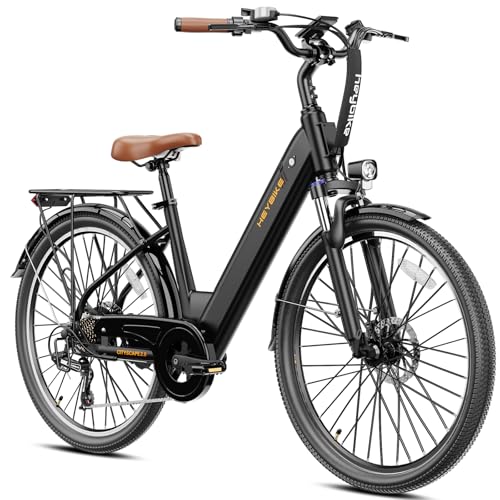
Our research pick for a certified, on-Amazon commuter is the Heybike Cityscape: Heybike lists it as UL 2849 certified, and the brand has one of the deeper review histories in the budget tier. Treat that as a paper-safety pass, not a ride review — EbikeTested has not ridden these bikes yet.
The two rules that survive every caveat below: buy only a UL 2849 certified bike, and treat the claimed range as a lab ceiling, not your commute. Everything else is preference.
Why this page exists
A budget e-bike is sold on two numbers: a big motor wattage and a big range. Neither is the number that will hurt you. The one that can is the battery, and the budget tier is precisely where battery safety gets value-engineered out to hit a price.
This is a research page, not a ride review. EbikeTested's founder rides an electric longboard, not an e-bike; the first e-bike this site tests will be bought at retail and logged publicly, and until then nothing here is a measurement. What this page does instead is what a confused buyer with $1,000 at stake actually needs: sort the tier by the safety and survival axes the spec sheets hide, cite where each claim comes from, and say plainly what we could not verify.
The one spec that matters most: UL 2849
UL 2849 is the safety standard for the whole electrical system of an e-bike — not just the cells, but the battery pack, charger, and motor controller tested together for fire, shock, and overcharge hazards. It folds in UL 2271 for the battery itself. The reason it matters: independent and industry analyses attribute the overwhelming majority of e-bike fires to uncertified batteries and DIY conversions, not to properly certified, manufactured bikes. Certification testing exists to catch exactly the failure modes that start those fires.
This is no longer just advice. As of 2026, California and New York require UL 2849 (or an equivalent) compliance for new e-bike sales, and other jurisdictions are following. A budget bike without it is buying you a device that is getting harder to legally sell, insure, and — in some buildings — store.
The catch for budget buyers: certification is a real cost, so it is the corner cheap makers cut. The single most useful thing you can do before spending is confirm a specific model's UL 2849 listing on the maker's page or UL's own certification directory, not just trust a badge in a product photo. A marketplace search filtered to UL 2849 is a starting point, not proof.
What the CPSC has told people to stop riding
The clearest signal of how real this is: the U.S. Consumer Product Safety Commission has issued a run of stop-use warnings for e-bike batteries, several tied to models that sold on the same marketplaces budget buyers shop.
- Rad Power Bikes batteries (model numbers RP-1304, RAD-S1304Y, HL-RP-S1304): the CPSC warned consumers to stop using them after dozens of fire reports and hundreds of thousands of dollars in property damage.
- Unit Pack Power "U004" / "U004-1" batteries: flagged after multiple overheating and fire reports.
- FENGQS e-bikes, sold on Amazon: subject to a CPSC stop-use warning for fire and burn hazards.
- Ridstar drew a second CPSC warning in 2026 as reported fire incidents mounted.
Read these as a pattern, not a blocklist: the specific model numbers change, and a warning today does not mean a brand can't clean up tomorrow. The durable lesson is the buying rule — an uncertified budget battery is the single biggest avoidable risk in this category, and no price is worth it.
The budget tier, sorted by what matters
| Bike / brand | Where to buy | Certification (maker-stated) | Brand-survival read | Price band (2026) |
|---|---|---|---|---|
| Heybike Cityscape | Amazon + direct | UL 2849 listed by Heybike (verify current) | Deep review history; among the more established budget brands | ~$700-900 |
| Heybike Mars | Amazon + direct | Check the specific model listing for UL 2849 | Same brand; folding fat-tire format | ~$900-1,000 |
| Lectric XP Lite / XP series | Direct only (Lectric.com) | UL 2849 certified per Lectric | #1 US budget seller; strong survival read | ~$800-1,000 |
| Velowave | Amazon + direct | Verify UL 2849 per model before buying | Mid-size budget brand; confirm warranty terms | ~$800-1,200 |
| Ultra-cheap unbranded / CPSC-flagged | Marketplace | Often none | High risk; dead-brand and fire-warning territory | "Too good to be true" |
The picks, and why each is here
Heybike Cityscape — the certified commuter. Heybike lists the Cityscape as UL 2849 certified and specs it as a straightforward city bike (Heybike states a battery in the ~468Wh range, with fenders and a rear rack included). Heybike is also one of the few budget brands with a long enough track record to read: broad review volume and a mid-4-star aggregate across many thousands of reviews. That combination — a published certification plus a brand likely to still exist for a warranty claim — is why it's our research pick. It is not a ride verdict.
Heybike Mars — the folding fat-tire option. Same brand, the popular folding format for storage-constrained riders. Confirm the specific model's UL 2849 listing, because certification can differ by model and revision within a brand.
Lectric XP Lite / XP series — the value benchmark (direct only). Lectric is the best-selling budget brand in the US and certifies to UL 2849, but it sells direct rather than through Amazon, so there's no affiliate link here — we're naming it because leaving out the category's value leader would be dishonest. If a bike you're eyeing on a marketplace costs about the same as a Lectric, the Lectric's certification and support network are the bar it has to beat.
Velowave — the step-up budget brand. Reasonable spec-per-dollar in the upper-budget band; verify the UL 2849 status of the exact model and read the warranty terms before buying, since budget-brand warranty support is uneven.
The axis the spec sheets hide: will the brand survive to honor the warranty?
Range and wattage are easy to print and hard to keep. The review axis that actually protects a budget buyer is boring: is this brand going to exist in two years, and will it ship you a replacement battery under warranty when the first one fades?
The budget e-bike graveyard is real. Brands appear, undercut everyone on a marketplace, sell hard for a season, and vanish — leaving owners with an orphaned proprietary battery that no one certifies, services, or replaces, and that is increasingly hard to even ship because of lithium hazmat rules. An orphaned battery is not a saving; it is a bike with an expiration date.
That's why "buy from a brand with a track record" outranks almost every spec at this price. A published UL 2849 certification, a warranty you can actually read, a parts-and-support channel, and a review history measured in years and thousands of units — those are the signals that the bike is still rideable in 2028. It is exactly the axis the incumbents' spec-first roundups skip, and the one this site was built to score once the bikes are on our bench.
Under $1,000, a certified battery from a brand that will still exist beats a bigger claimed range from one that will not. Buy the survival and the certification; the specs are a tiebreaker.
Certified budget bikes that clear the safety bar on paper
These clear the one non-negotiable — a maker-stated UL 2849 certification — from brands with enough history to read. Honesty note: we have not ridden these. EbikeTested's first e-bike gets bought at retail and range-tested on our own course before anything here earns a score; until then these are research picks, and you should confirm the current certification and warranty on each listing before buying. Prices are hedged as of 2026.
Certified commuter pickHeybike Cityscape
Heybike lists it as UL 2849 certified, with fenders and a rack included for commuting. The brand's long review history is the reassurance the spec sheet can't give. Verify the current certification before buying.
See it on Amazon Folding fat-tire
Heybike Mars
The folding format for tight storage, from the same brand. Confirm the specific model carries UL 2849 — certification can vary by model and revision within a lineup.
See it on Amazon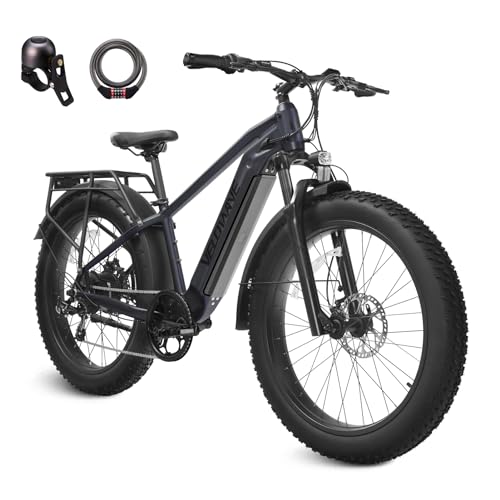 Step-up option
Velowave (upper-budget models)
Stronger spec-per-dollar in the upper-budget band. Verify UL 2849 on the exact model and read the warranty terms first; budget-brand support is uneven.
See it on AmazonBudget e-bikes under $1,000: the questions people actually ask
What is the most important thing to check on a budget e-bike?
A published UL 2849 certification. It is the whole-system fire-safety standard (battery, charger, controller), it is now required for new sales in states like California and New York, and it is the corner cheap makers most often cut. Confirm it on the maker’s page or UL’s certification directory, not just a badge in a product photo.
Are cheap Amazon e-bikes safe?
Some are; many are not. The CPSC has issued stop-use warnings for e-bike batteries and models sold on major marketplaces, including a FENGQS warning naming Amazon directly and repeated warnings for Ridstar. The dividing line is certification and brand track record, not the marketplace itself. A UL 2849 certified bike from an established brand sold on Amazon is a reasonable buy; an uncertified no-name is the risk.
Is the claimed range on a budget e-bike accurate?
Treat it as a best-case lab ceiling, not your commute. Claimed ranges are typically measured at the lowest assist level, light rider weight, flat ground, and mild temperature. Real-world range on hills, in the cold, at higher assist, or two-up is commonly a large fraction lower. We do not publish range numbers we have not measured ourselves; independent range testing on our own course is what this site is building toward.
Why does brand survival matter so much for a cheap e-bike?
Because the battery is proprietary and the most expensive part. If the brand disappears, you are left with an orphaned battery that no one certifies, services, or replaces, and that lithium hazmat rules make hard to even ship. A slightly pricier bike from a brand with a warranty channel and years of history is usually the cheaper choice over the life of the bike.
Should I buy a used or DIY-converted budget e-bike to save money?
Be very cautious. DIY conversion kits and mismatched battery/charger combinations are over-represented in fire incident data, and a used battery of unknown history and age is the highest-risk component you can buy. If you go used, favor a UL 2849 certified bike from a surviving brand with the original charger, and budget for a battery you can verify.
What we could not verify, and what happens next
Flagged plainly, because a page like this is only useful if you can trust its gaps. We have not ridden or bench-tested any bike here; every performance and certification detail is the manufacturer's claim or a marketplace listing, checked on July 29, 2026, and certification status can change by model and revision, so confirm the exact unit before buying. We did not independently re-test any battery, and we do not publish range figures we have not measured. The CPSC warnings above are quoted from the CPSC's own notices; brand-survival reads are judgments from public review and market history, not guarantees.
Next for the Battery & Range Lab: the first e-bike gets bought at retail, its claimed range logged against a fixed course, its charger and battery checked against their certifications, and the results published — including a month-0 versus month-12 battery retest. When those numbers exist, the research picks on this page become scored picks, or get replaced. Bought an uncertified budget bike and want it checked, or know a brand that vanished on its owners? Tell us.
Sources checked 2026-07-29: CPSC: Rad Power battery warning, CPSC: FENGQS e-bike warning (sold on Amazon), UL Solutions: e-bike UL 2849 certification, Ridstar second CPSC warning, 2026.